

Advanced Osteotomy Techniques for Improved Knee Function and Mobility
Knee cartilage plays a crucial role in joint health, providing a smooth surface for bones to glide over each other and cushioning impact during movement. Damage to this vital tissue can lead to significant pain and reduced mobility. The London Cartilage Clinic team provides patients with the most advanced treatments, including osteotomy, to repair and preserve knee function. This article will answer your most pressing questions about osteotomy and how it can help improve your quality of life following a knee injury.
What is an Osteotomy?
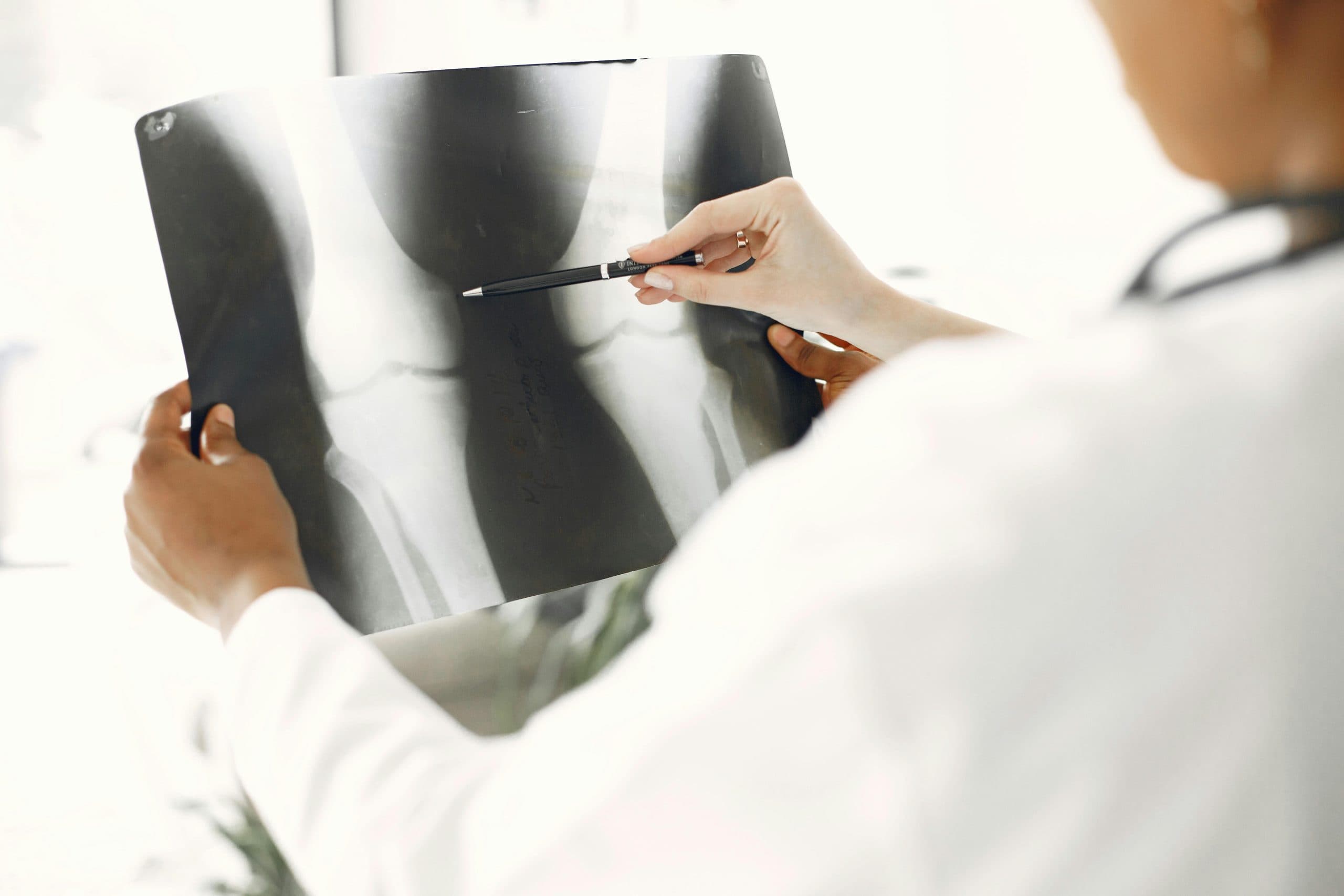
An osteotomy is a surgical procedure that involves cutting and reshaping the bones to relieve pressure on the knee joint. It is often used to treat arthritis or other conditions that cause uneven wear and tear on the knee cartilage. Read 'Everything you need to know about Knee Arthritis'. By realigning the bones, an osteotomy can shift the weight away from the damaged area, reducing pain and improving function. The two types of osteotomy relevant for improving knee health are: High Tibial Osteotomy (HTO): This is the most common type of osteotomy for knee problems. It involves cutting the tibia (shin bone) and reshaping it to relieve pressure on the inner part of the knee. Distal Femoral Osteotomy (DFO): This procedure involves cutting the femur (thigh bone) and is typically used to relieve pressure on the outer part of the knee.
What happens during an Osteotomy procedure?
During an osteotomy, the surgeon makes a cut in the bone and removes or adds a wedge of bone. This realigns the joint and shifts the weight away from the damaged cartilage. The bone is then fixed in place with metal plates and screws to allow it to heal in the new position.
Recovery and aftercare
Recovery from an osteotomy can take several months. Patients typically need to use crutches for a few weeks and engage in physical therapy to regain strength and mobility. The goal is to return to normal activities with reduced pain and improved knee function.
How Osteotomy Improves Knee Health
Osteotomy offers several benefits over other treatments for knee cartilage damage. It can delay the need for a total knee cartilage replacement by preserving the natural knee joint. This procedure is particularly beneficial for younger, active patients who want to maintain their mobility and continue participating in physical activities.
Experts in bone and cartilage health
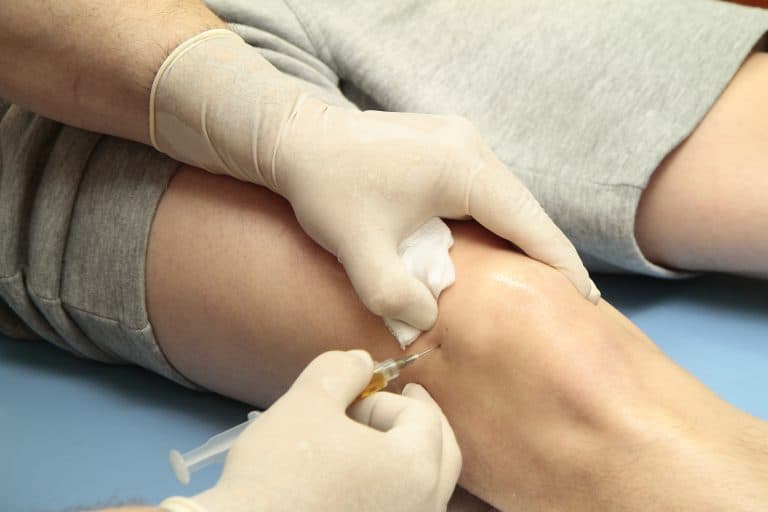
At London Cartilage Clinic, our approach is patient-centred, focusing on individual needs and promoting overall musculoskeletal health. To this end, our surgeons combine advanced techniques with modern rehabilitation protocols to help achieve the best possible patient outcomes. Although osteotomies are just one of the solutions we offer, with the possibility for other treatments to be recommended. This might include expert cartilage repair, cartilage regeneration, or a specialist injection. Contact us today to start your journey to recovery.
Frequently Asked Questions
- A good candidate for an osteotomy is typically a younger, active patient with knee cartilage damage limited to one area. It is often recommended for patients who are not yet ready for a total knee replacement.
- The recovery period can vary, but it generally takes several months. Patients usually need to use crutches for a few weeks and undergo physical therapy to regain strength and mobility.
- An osteotomy can be highly effective in relieving knee pain and improving function by realigning the bones and reducing pressure on the damaged cartilage. The effectiveness depends on the extent of the damage and the patient's overall health.
- As with any surgery, there are risks associated with an osteotomy, including infection, blood clots, and complications related to the surgical procedure. It’s essential to discuss these risks with your surgeon.
Legal & Medical Disclaimer
This article is written by an independent contributor and reflects their own views and experience, not necessarily those of London Cartilage Clinic. It is provided for general information and education only and does not constitute medical advice, diagnosis, or treatment.
Always seek personalised advice from a qualified healthcare professional before making decisions about your health. London Cartilage Clinic accepts no responsibility for errors, omissions, third-party content, or any loss, damage, or injury arising from reliance on this material.
If you believe this article contains inaccurate or infringing content, please contact us at [email protected].
London Cartilage Clinic
Modern treatments, designed for lasting knee outcomes
Every treatment plan is selected to help you return to the quality of life you deserve. Our team combines up-to-date techniques with consultant-led decision making across cartilage repair, regeneration and replacement.
What your journey can look like
Step 01
Consultant-Led Assessment
Symptoms, imaging and goals reviewed in one structured appointment.
Step 02
Personalised Treatment Plan
A clear route chosen from repair, regeneration or replacement options.
Step 03
Precision Delivery
Modern techniques and specialist equipment matched to your diagnosis.
Step 04
Long-Term Knee Health
Follow-up guidance focused on durable function and quality of life.
Will the Arthrosamid work for me
PAAG-8+ Questionnaire
A bright, structured entry point for patients exploring Arthrosamid. The questionnaire helps frame suitability, expectations, and 24-month clinical benefit discussion before a fuller consultant-led review.
Designed for shared decision-making. It does not replace specialist consultation, examination, imaging review, or formal medical advice.